

1/2026 | Contents
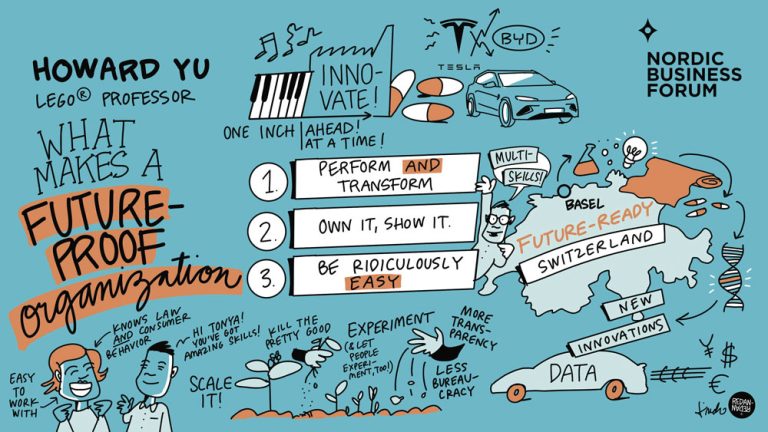
In industrial and maintenance environments, leadership is often defined by reliability. Keep the assets running. Hit the KPIs. Avoid surprises. But as technology, skills, and expectations change faster than ever, reliability alone is no longer enough.
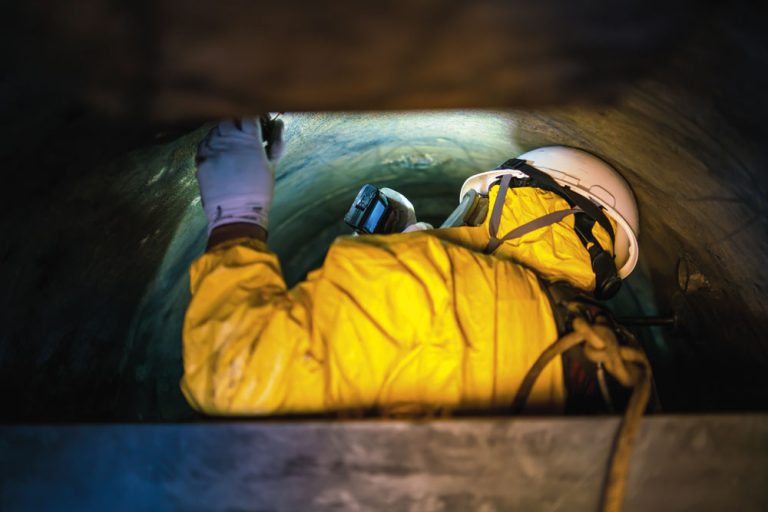
A discipline built around the human body as a discipline, maintenance has always been inseparable from the human body. From the earliest industrial systems to today’s complex plants, maintainability has been defined—often unconsciously—by what a trained person can physically and cognitively do.
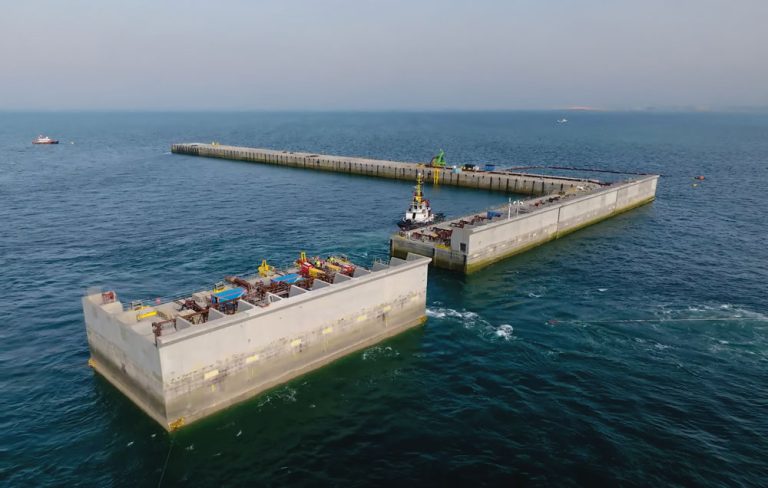
In 2022, the Belgian publicly-owned transmission system operator Elia Group announced plans to build what it called ”the world’s first artificial energy island”, connecting up to several gigawatts of offshore […]
Large-scale green hydrogen production requires sustainable water management to prevent local shortages and potential conflicts with agriculture over access to resources.
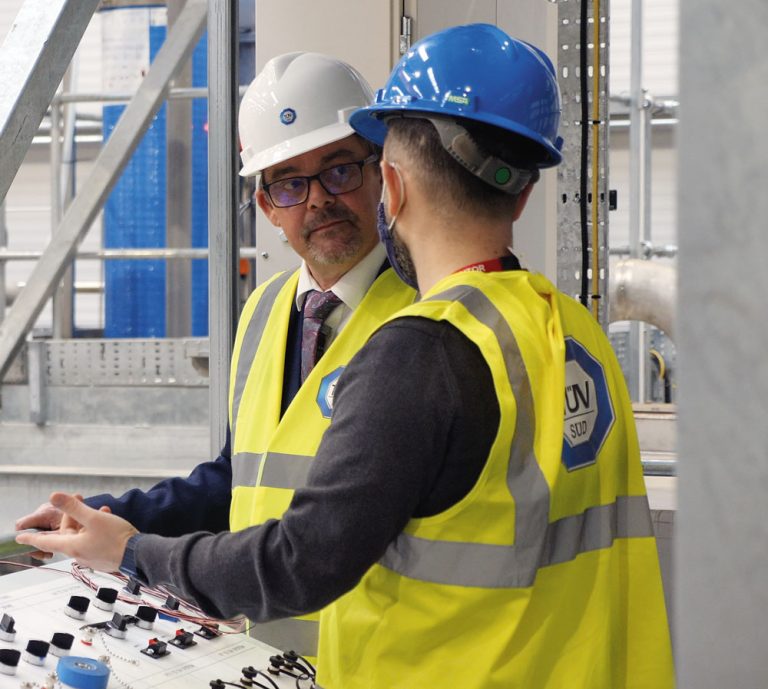
Emissions measurement is one of the oil and gas industry’s biggest challenges.

Maintenance and asset management experts are constantly adapting to new equipment, care standards and compliance frameworks. While automation and data-driven operations are addressing some of the industry’s pain points, they have yet to provide holistic maintenance solutions for any sector.

Why is integration key for effective fm? CAFM (Computer-Aided Facility Management) systems are essential for the effective digital management of buildings and technology. They centralize all information—covering assets, processes, and technology—into a clear interface, enabling facility managers to plan maintenance, monitor asset status, manage operational costs, and ensure regulatory compliance.
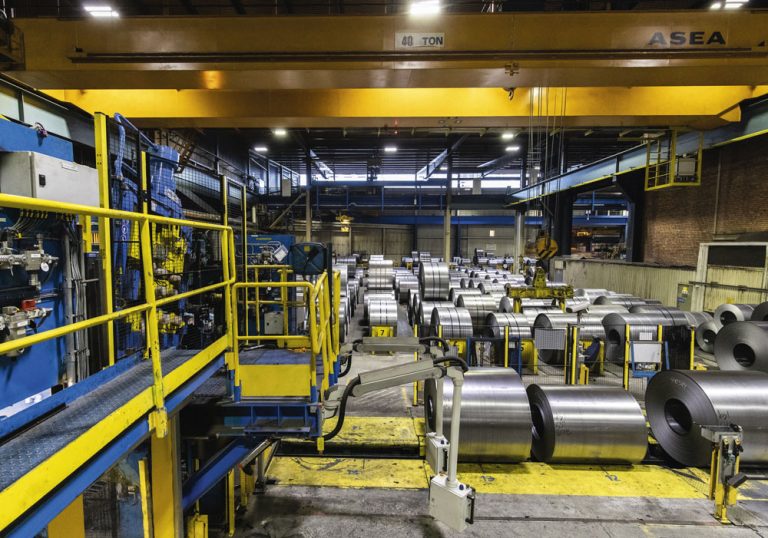
The steel industry is at a turning point. Globally responsible for 7–9 per cent of carbon dioxide (CO₂) emissions, steel production has long been associated with high carbon footprints. Companies, including Nordic steel producer SSAB, are aiming to rewrite that story.
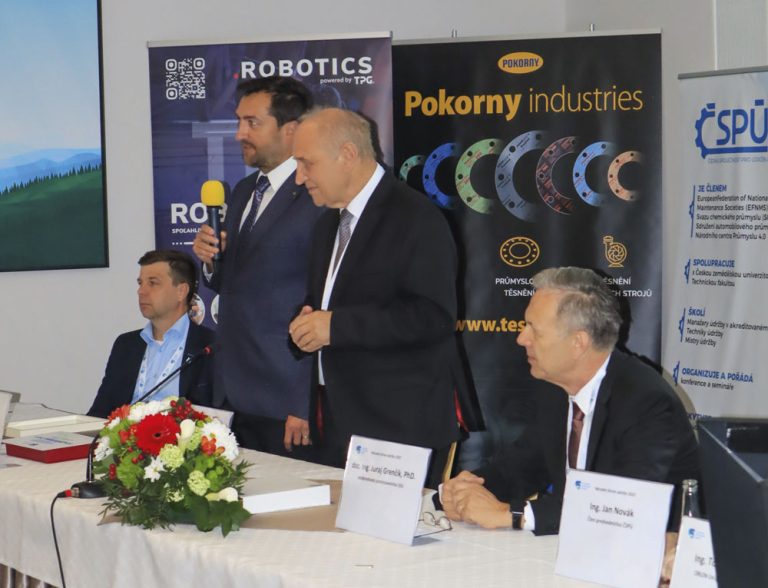
”Maintenance is no longer just fixing machines after they break—it’s about data, AI, and strategy,” points out Branislav Kysel, President of the Slovakian Maintenance Society.
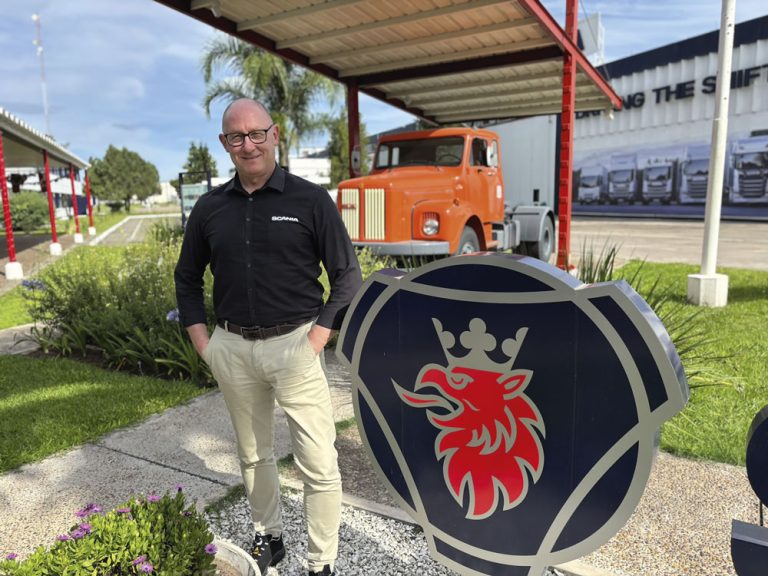
When Scania decided to build its new battery factory, and Kent-Olof Bingmark decided from the start to place value in a clear maintenance strategy. Through cross-functional strategy meetings with discussions about maintenance philosophy and recruitment interviews. His approach is simple in words but demanding in practice: getting things right from the beginning.
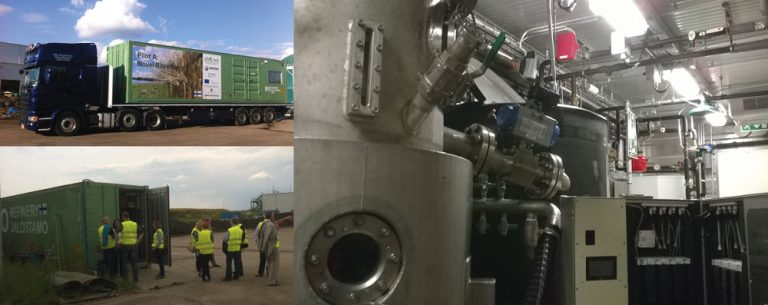
Soil microbes and forest industry side streams may hold the key to global food security. Acting like nature’s maintenance crew, they restore degraded soils, boost fertility, and keep agriculture running smoothly but effectively.

Cybersecurity is no longer a niche concern for IT departments; it has become a strategic pillar of industrial maintenance and operational resilience.
When Euromaintenance comes to Luleå in June 2026, it will not only mark a new geographic destination for Europe’s flagship maintenance conference but also signal a decisive moment for the profession itself. According to EFNMS Chair Diego Galar, this event is designed to reposition maintenance and asset management as strategic drivers of industrial performance, resilience, and sustainability.
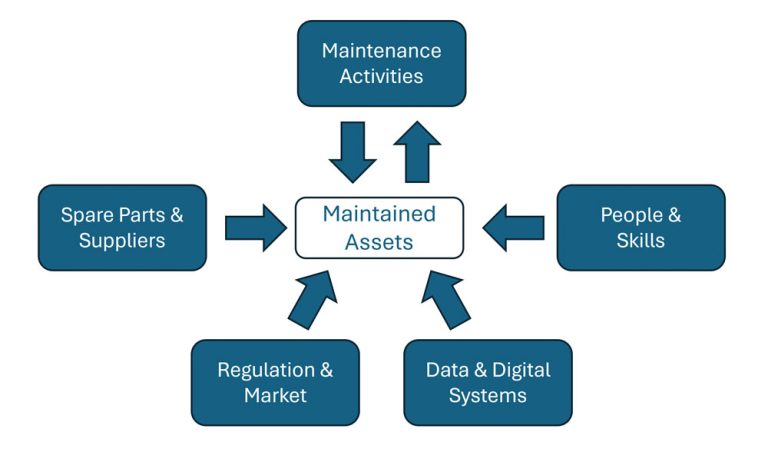
Maintenance and asset management are facing a growing number of simultaneous challenges.
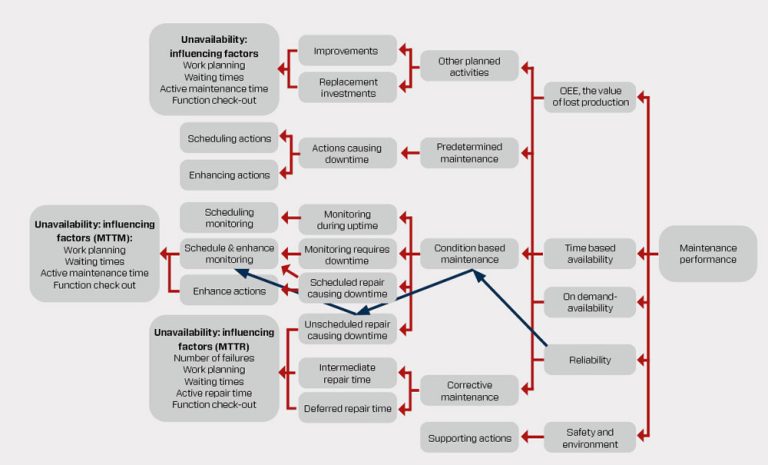
Maintenance debt (maintenance backlog, deficit in physical asset management) arises when maintenance is not carried out as planned, in sufficient scope, or at the appropriate time. The consequence is a deterioration in the performance of equipment and systems relative to requirements.

Maintworld asked EFHMS key leaders to describe their main objectives for 2026. Together, the answers highlight a shared focus on people, competence, and collaboration, while reflecting the specific roles of each committee and the federation.
Introducing the EFNMS European Certification Committee (ECC) and its mission to elevate maintenance professionalism across Europe.
European economic growth is expected to settle at around 1–1.5 percent in the euro area and the EU in 2026. Growth is moderate, but the trend has turned.
Along with our congratulations, we wanted to ask the new Chair for her views on the future of the association.
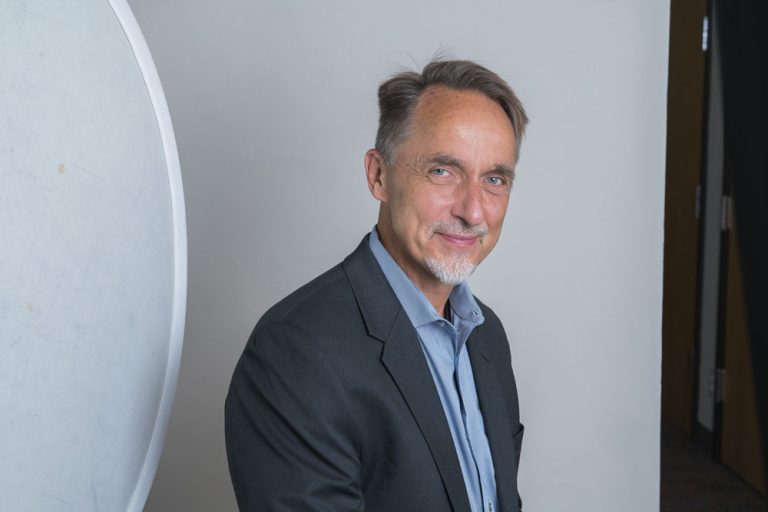
Maintenance is entering a new phase. Not because of louder buzzwords, but because the logic underneath is changing. Kai Goebel has watched Prognostics and Health Management grow from statistical guesswork into data driven intelligence. Now he argues that the real transformation is only beginning.