
4/2025 | Contents
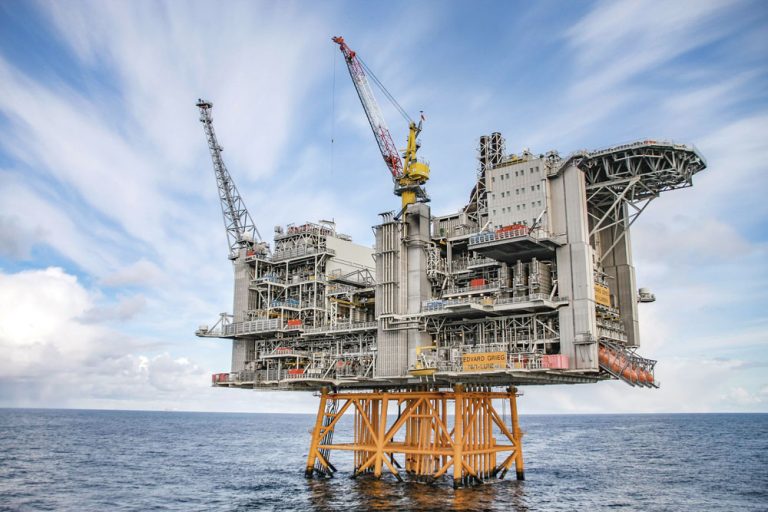
The Edvard Grieg platform in the North Sea now has a drone with its own docking station.
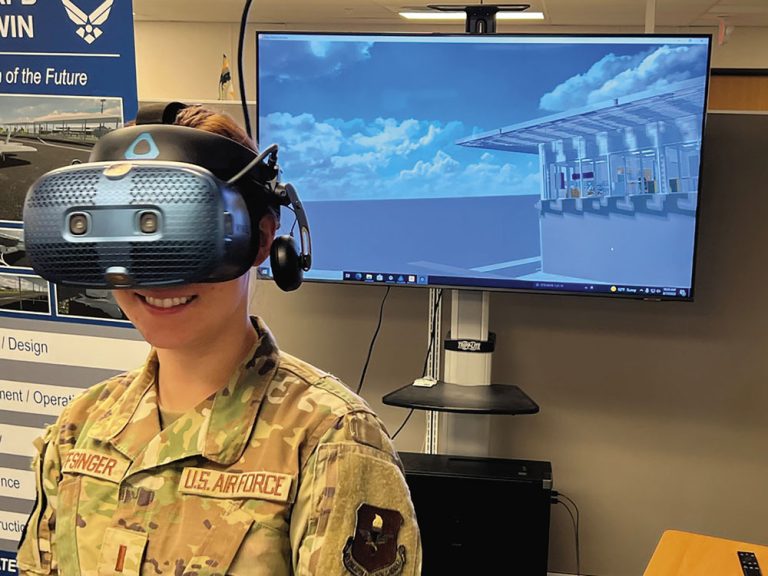
In the previous issue, we explored the first wave of maintenance innovations transforming defense: AI-driven predictive and prescriptive tools, the rise of right-to-repair, and additive manufacturing at the frontline. These trends illustrated how autonomy, foresight, and resilience are being embedded directly into operational units. In this second part, we shift focus to the system-level enablers that connect, simulate, and optimize maintenance at scale — from digital twins and robotics to connected logistics, XR-based training, and performance-based logistics frameworks. Together, they extend tactical innovations into full-spectrum readiness.

Innovation doesn’t die from a lack of ideas—it dies from a lack of curiosity. Diana Kander, bestselling author and innovation strategist, believes we’re asking the wrong questions.
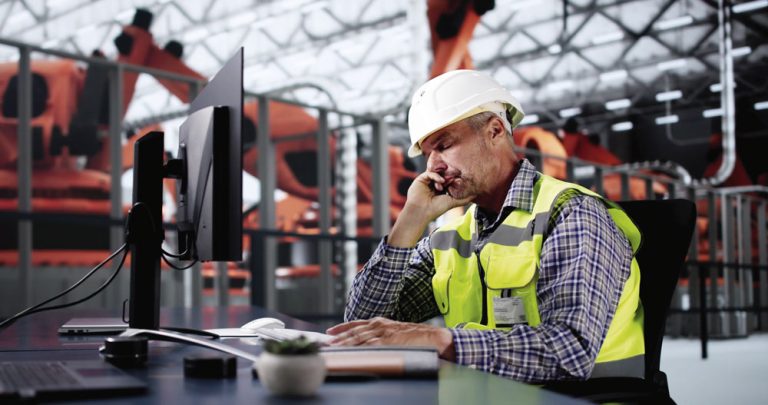
When production stops, losses start adding up fast. New study shows just how costly unplanned downtime has become for manufacturers.

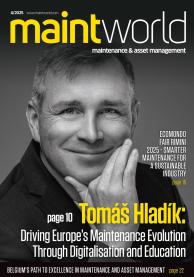
When critical equipment fails, the consequences can ripple across entire operations. That’s why, for Tomáš Hladík—Vice Chairman of the EFNMS European Training Committee—maintenance is not just a technical chore. It is a strategic part of doing business.
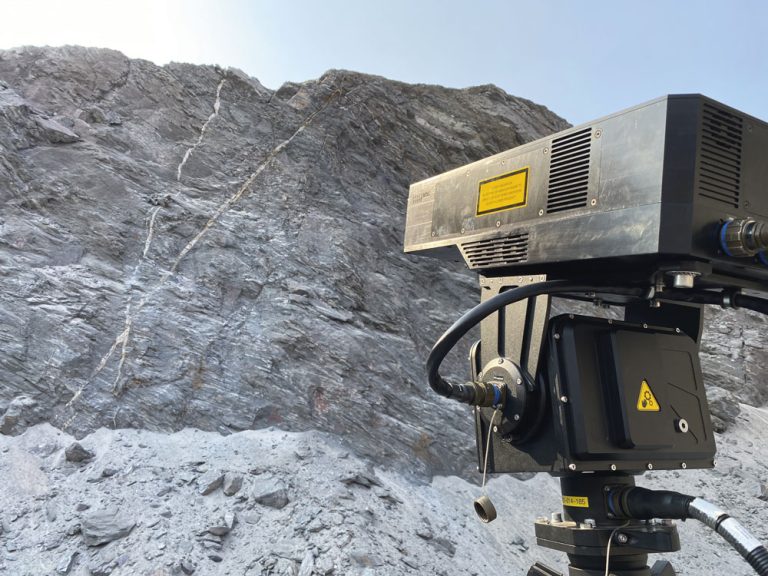
A laser-based hyperspectral scanner developed by Finnish scientists gives mining companies a faster and more precise way to identify mineral compositions, enabling the early-stage separation of valuable minerals directly at the point of extraction.
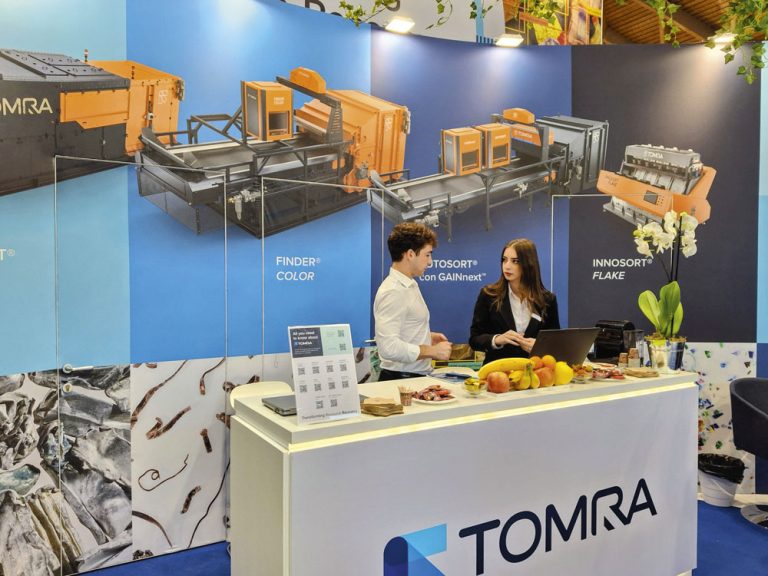
At this year’s Ecomondo fair, two radically different approaches offered glimpses into how data, automation, and artificial intelligence are transforming waste handling. While one focuses on infrastructure-level digitalization, the other targets granular sorting precision. Both point toward the same goal: cutting inefficiencies, reducing environmental impact, and lowering operational risk in waste management.

In wastewater treatment, meaningful innovation is often buried under concrete involving costly retrofits, structural overhauls, or new builds. But a quietly growing Italian company is proving that smarter systems don’t have to be heavier ones. In fact, they may just float.
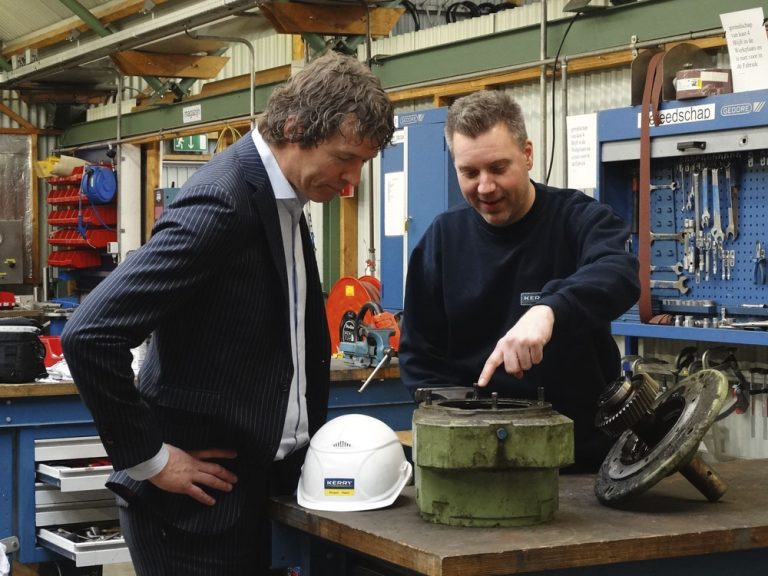
“If you plan and schedule maintenance operations properly, you can, as a company, unlock capacity you didn’t even know you had,” explains Roger Ham, Global Asset Lifecycle Lead at Kerry Group. “It’s like getting two technicians for free—without hiring anyone.”
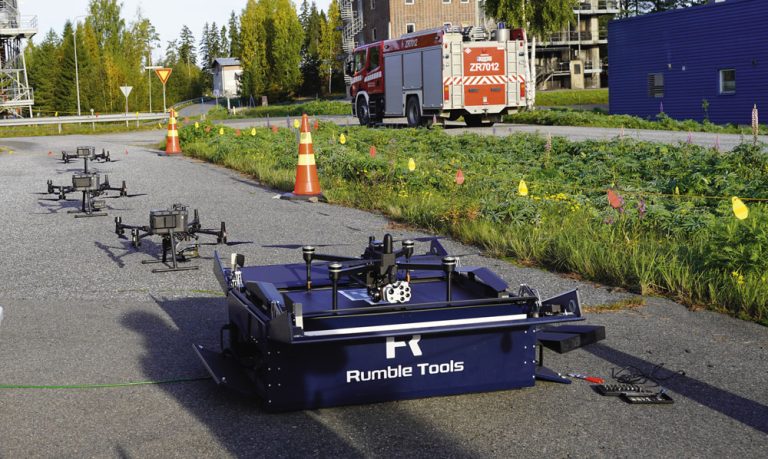
Drones have rapidly gone from experimental gadgets to essential tools in industrial maintenance. Once used just for basic visual checks, they now carry advanced sensors and cameras that can detect leaks, corrosion, and damage with high precision.

The European Union is initiating a significant shift toward greater accountability in the battery industry. Following the introduction of the EU Batteries Regulation (EUBR) in summer 2023, the processes surrounding battery manufacturing, usage, and recycling across Europe are being fundamentally redefined.
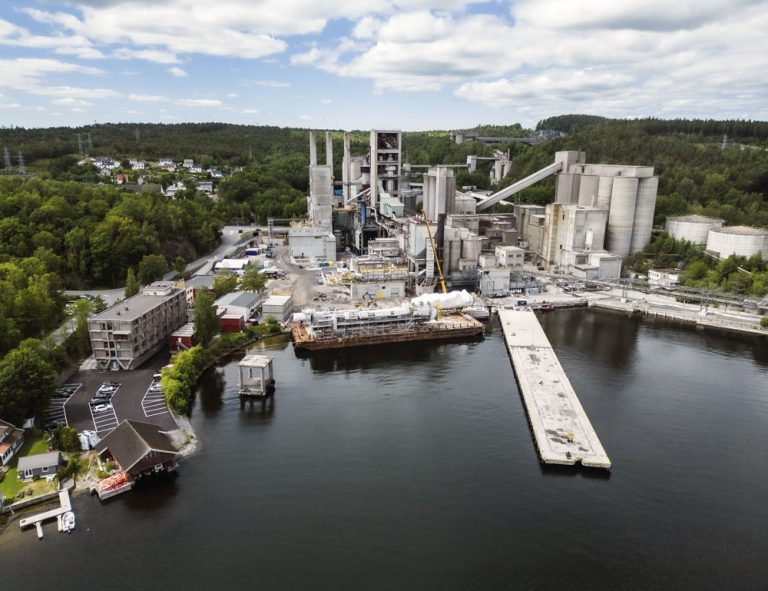
Biogenic carbon dioxide (CO₂) and Carbon Capture Utilisation (CCU) are emerging as transformative technologies across sectors. Projects like Metsä Group’s Rauma pilot mark key steps toward scalable carbon valorisation in the forest industry.

Change doesn’t slow down. It stacks. Faster. Weirder. All at once. April Rinne’s keynote at Nordic Business Forum 2025 wasn’t just a wake-up call—it was a practical guide for anyone tired of pretending the chaos will pass.

Attending Ecomondo 2025 in Rimini Italy was more than a visit — it was a full immersion into the scale and urgency of circular innovation.
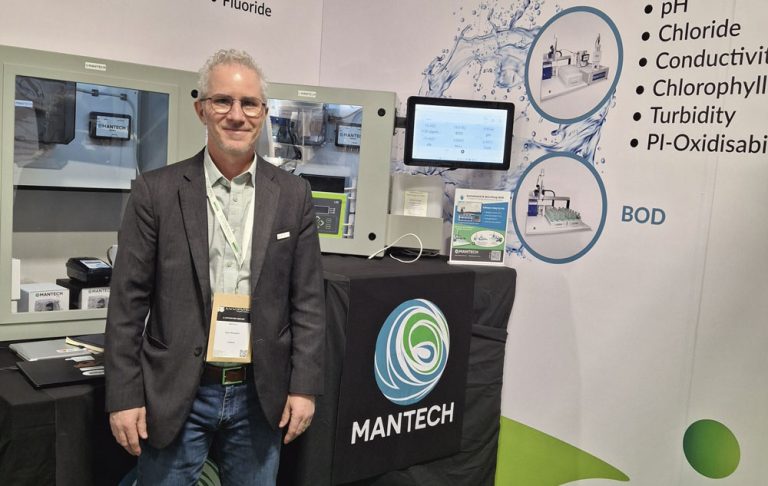
In industries where water use is measured in millions of liters, small decisions carry big weight. Especially when those decisions rely on data that often arrives too late.
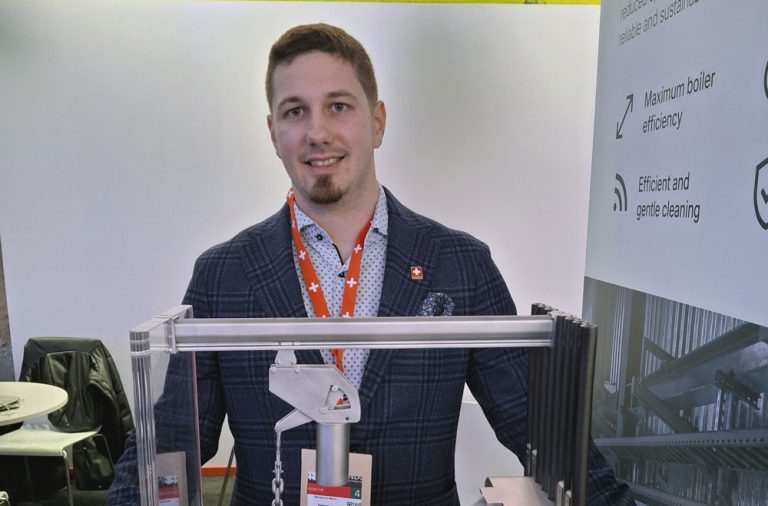
Industrial boilers are essential workhorses in waste-to-energy, sludge incineration, and other high-heat process industries. But they share a common challenge: fouling. Over time, fly ash and other particles build up on heat exchange surfaces, reducing efficiency, restricting steam output, and forcing unscheduled shutdowns for manual cleaning.
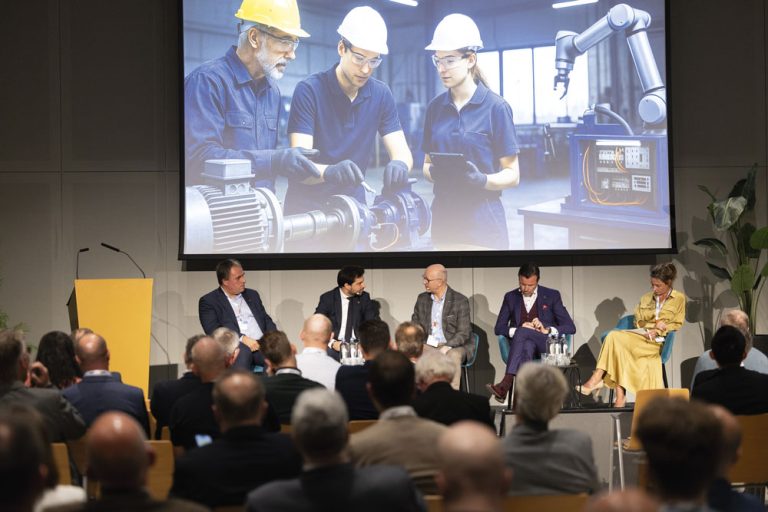
Since its founding in 1989, the Belgian Maintenance Association (BEMAS) has played a leading role in advancing maintenance, reliability, and asset management across Belgium.
As convenor of the EFNMS Body of Knowledge, Antoine Despujols is on a mission to create a unified European maintenance culture. The comprehensive publication defines the scope and best practices of maintenance across Europe – and it’s available for free. But more importantly, it’s changing how we think about the profession itself.