

4/2024 | Contents
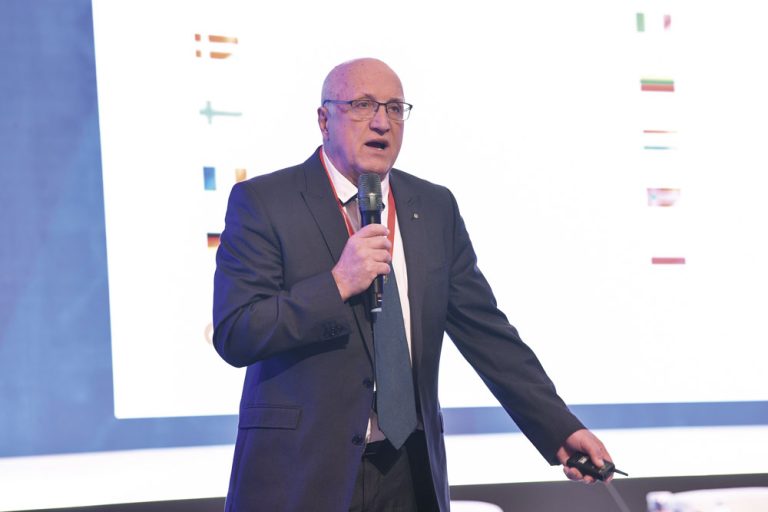
The European Federation of National Maintenance Societies (EFNMS) wants asset management to do more than support operations — it wants it to shape strategy.

Lifts can no longer be assumed to be closed-loop systems without any connection to the “outside world”. Modern and modernised older lifts alike can be both digital and connected. Internet […]

Today’s world is increasingly polarised on almost every issue. From hugely important topics like the economy and foreign policy to ’first world problems’ like the casting of a particular TV show, it seems difficult to build a sizable consensus on almost anything.

In a world rife with disruptions and uncertainty, resilience is no longer a luxury but a necessity. Industry 5.0 steps forward as a game-changer, shifting the focus from mere efficiency to adaptability and innovation, promising industries not just survival, but growth through chaos.

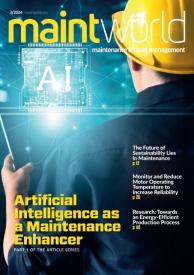
In a series of three articles in Maintworld magazine, we look at how to make maintenance more efficient by using artificial intelligence. In the last issue (3/2024), an introductory article described AI in general and the related concepts. This second part focuses on how AI is currently being used in ICT solutions for maintenance. The final article will consider how AI will change maintenance in the future.
The green transition challenges the status quo in many societal and industrial activities. Materials are a key enabler of new carbon-neutral technologies. The results of the MASCOT project will provide a basis for materials selection and maintenance activities for the emerging industrial processes.
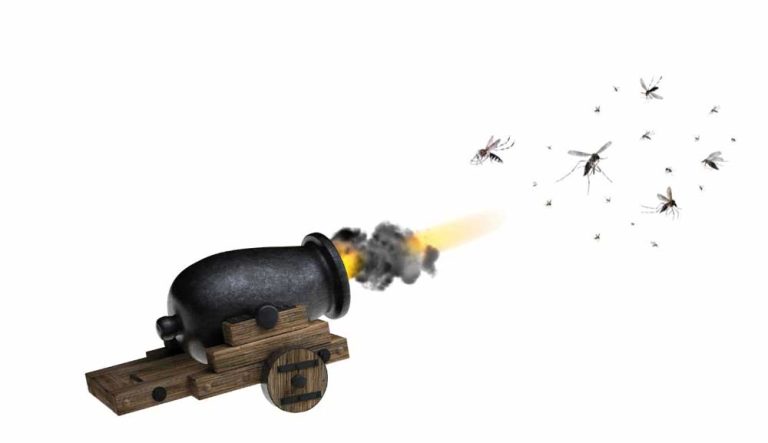
Reliability Centered Maintenance (RCM) promises improved reliability, but is it always worth it? Full-scale implementation is often overly complex, costly, and unnecessary—like using a cannon to shoot a mosquito. Without readiness and a strong foundation in basic maintenance practices, RCM can distract from more practical, cost-effective solutions. Simpler, experience-driven approaches may often yield better results.
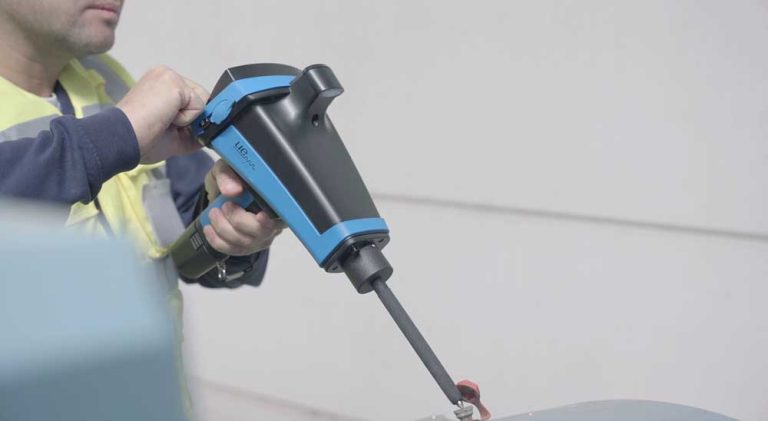
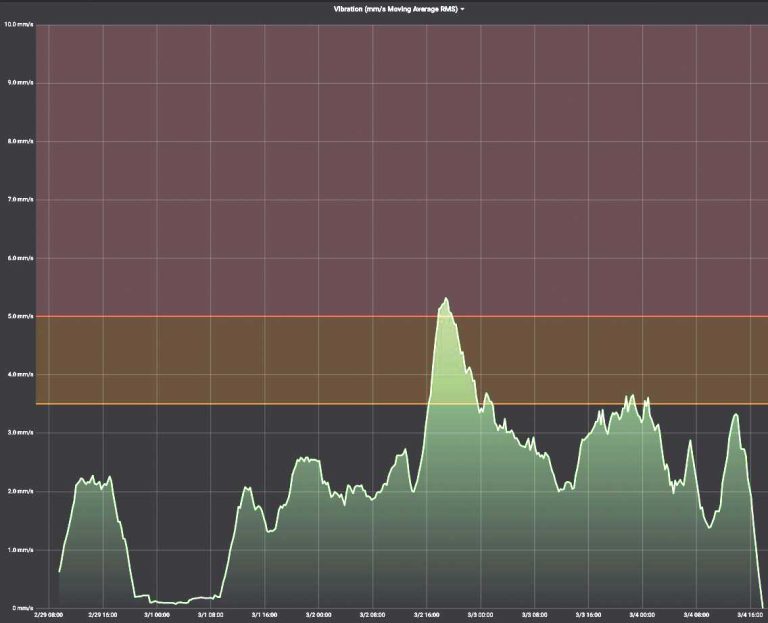
This case study explains how electrical fluting was diagnosed on a 15 kW electrical motor using ultrasound inspection and sound spectral analysis. Electrical fluting is a common failure on bearings in variable frequency drive (VFD) motors, but with the right tools it can be diagnosed in its early stages, before it becomes a serious issue.
Industry 4.0 and now Industry 5.0 gives us yet again new trends and interpretations of how the world will develop. Some call Industry 5.0 the revenge of the humans when they are taken into account.

End of Year is a good moment to evaluate the past year and think about how things could be done differently in the year ahead. Let’s call these – appropriate for the times – New Year’s resolutions. Some examples: prioritise people, focus on continuous improvement, increase the efficiency and reliability of your assets and learn from others. Too much for one year? Not if you integrate this in an improvement programme.
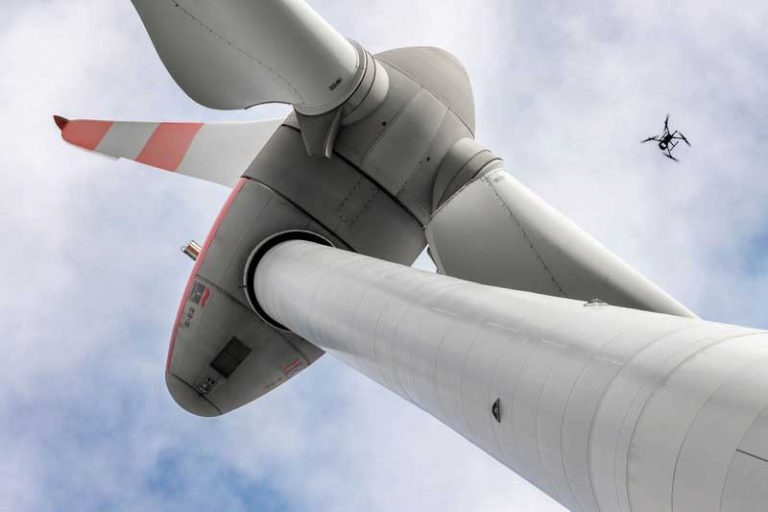
The validation by TÜV NORD confirms that the drone technology used by the Deutsche Windtechnik Inspection Body is suitable for carrying out a range of important inspections such as periodic and condition-oriented inspections.

Metal batteries have the potential to deliver more energy, at a lower weight, than the popular lithium-ion battery. The problem, however, is that the technology currently has too short a lifespan due to the highly reactive nature of the lithium metal within these batteries.

New research from IFS, the global cloud enterprise software company, has found that executive and board leadership have ’bought the AI hype’ but organizations cannot deliver operationally on expectations. The new global study of 1,700 senior decision makers, Industrial AI: the new frontier for productivity, innovation and competition, found that the promise of AI is being held back by technology, processes and skills. Half of respondents remain optimistic that with the right AI strategy, value can be realized in the next two years, and a quarter believe in the next year.
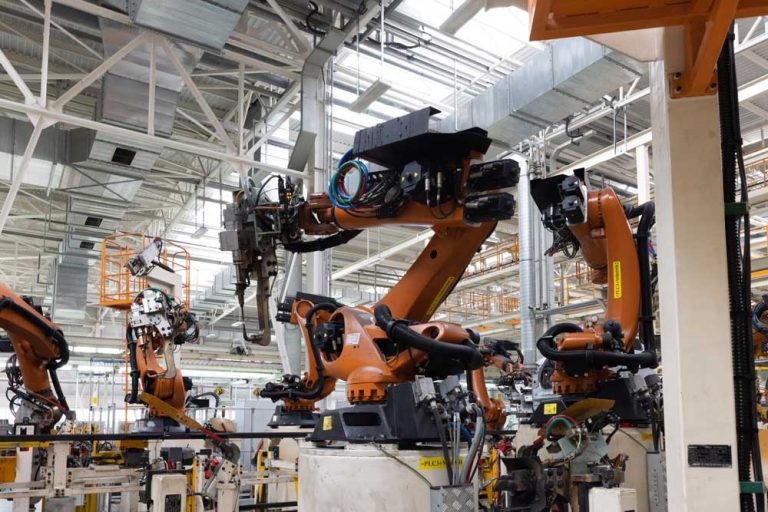
The MRO for automation solutions market is set to grow by USD 54.08 billion at a CAGR of 10.16% from 2023 to 2028, driven by the increasing reliance on maintenance, repair, and operations to ensure seamless industrial processes. Key growth factors include adopting predictive maintenance analytics and industrial automation services, which enhance operational efficiency while minimizing costly downtime.

The analysis of the top 50 steel producers — which rely more heavily on higher emissions steelmaking technologies than the global industry average and are responsible for more than 60% of the sector’s emissions — follows the latest production ranking provided by the World Steel Association.

The global industrial maintenance service market is projected to grow from $51.3 billion USD to $81.2 billion by 2032.

Recent findings by Anthropic, an AI safety start-up, have highlighted the risks associated with large language models (LLMs), prompting calls for a swift review of AI safety standards.