3/2025 | Contents
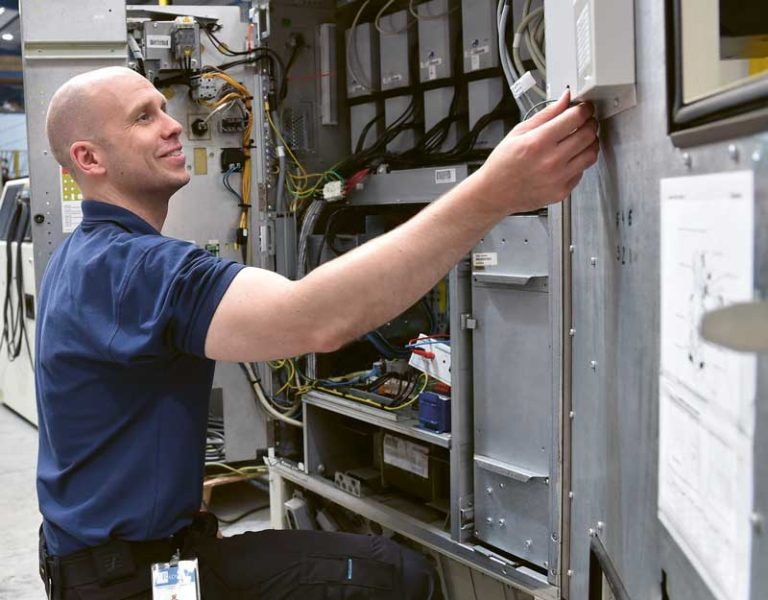
Predictive maintenance and obsolescence management have long been recognised as ways for manufacturers to reduce downtime. But these approaches can also help companies meet their ESG (Environmental, Social and Governance) objectives, argues Matthias Ludwig, Managing Director of Radwell International Germany.
The new EU Machinery Regulation (EU) 2023/1230 takes full effect on January 20, 2027, replacing the long-standing Machinery Directive. It’s not just an update—it’s a whole new rulebook. Are you ready to play by it?

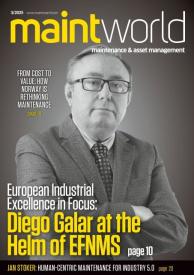
For Jan Stoker, Researcher & Strategic Advisor for Asset & Maintenance Management, the transition from Industry 4.0 to Industry 5.0 marks a fundamental shift: “Technology is no longer the goal—it’s the tool that helps us create sustainable, resilient, and human-centric value.”
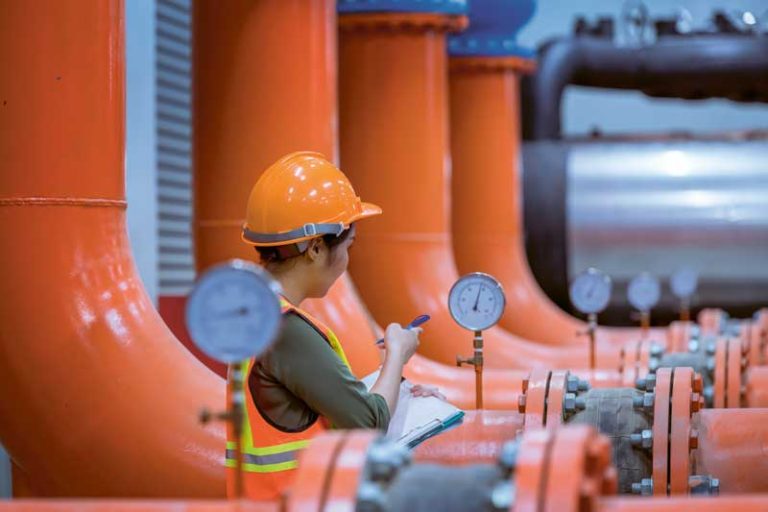
Sustainability has become a decisive factor in industrial competitiveness, shaping how companies invest, operate, and survive. For Europe’s maintenance professionals, this shift offers both a challenge and an opportunity: embracing energy-efficient, low-emission practices is now vital for long-term success.
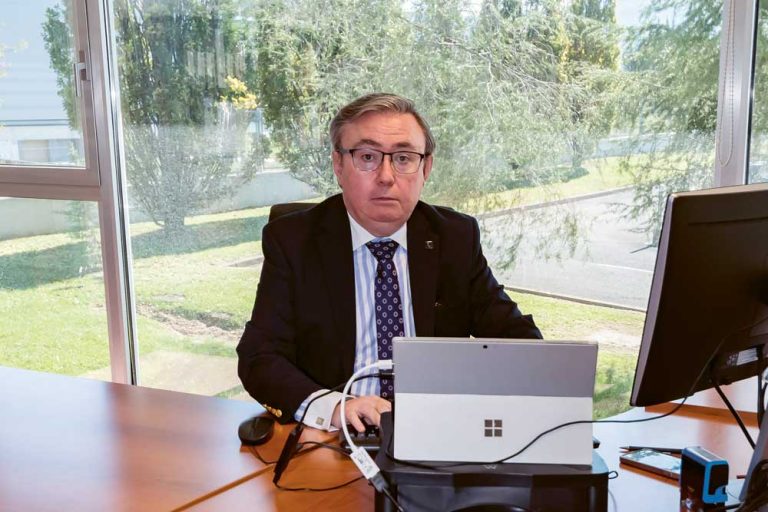
When Professor Diego Galar took over as Chair of the European Federation of National Maintenance Societies (EFNMS) in May, he inherited not only the leadership of Europe’s umbrella organisation for maintenance but also the responsibility to redefine its role in a fast-changing industrial landscape.
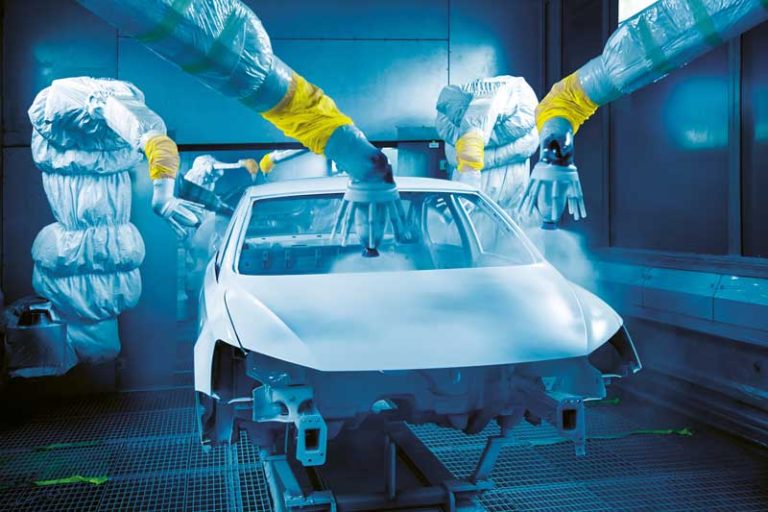
New self-healing, anticorrosive, and antimicrobial coatings can reduce maintenance costs, and their use is expected to increase in the coming years.

A new global survey of more than 1,700 senior executives reveals that industrial AI is advancing faster than expected.
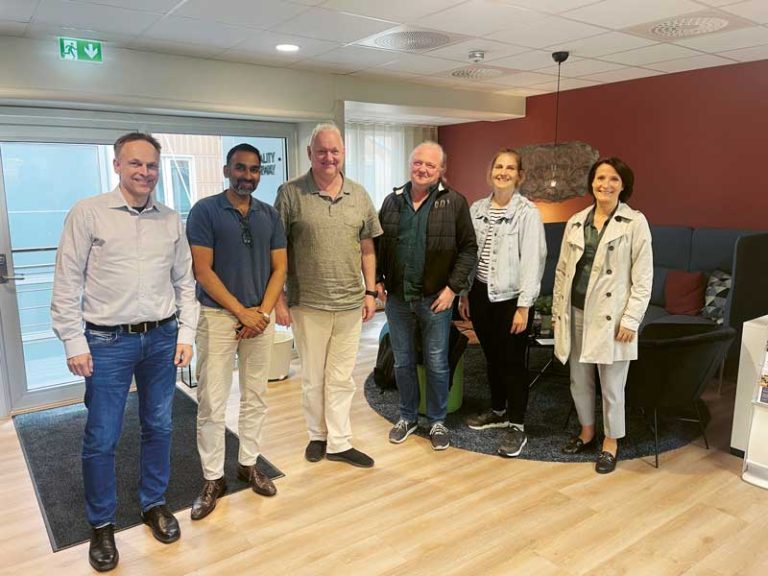
The Norwegian Maintenance Association (Norsk Förening for Vedlikehold, NFV) plays an increasingly vital role in promoting best practices, competence development, and strategic thinking across Norway’s maintenance sector. With almost 200 corporate and individual members, the association focuses on advancing the perception of maintenance as a value-generating activity, rather than a cost centre.
The EFNMS Thesis Award* is one of the most prestigious recognitions for emerging talent in the European maintenance and asset management community. Last year’s winners, Aleksanteri Hämäläinen and Camilla Munther, earned the honor for research that combines technical depth with real-world impact. In this Q&A, they share what sparked their work, how their findings can be applied on the ground — and where they see themselves and industry heading next.
Van Geloven, a McCain company in the Netherlands, has moved from reactive to predictive maintenance by embracing data, new technologies, and a cultural shift. Since 2020, some of its sites have reduced downtime from 20% to under 4%, with teams leading improvements and AI increasingly supporting operations.
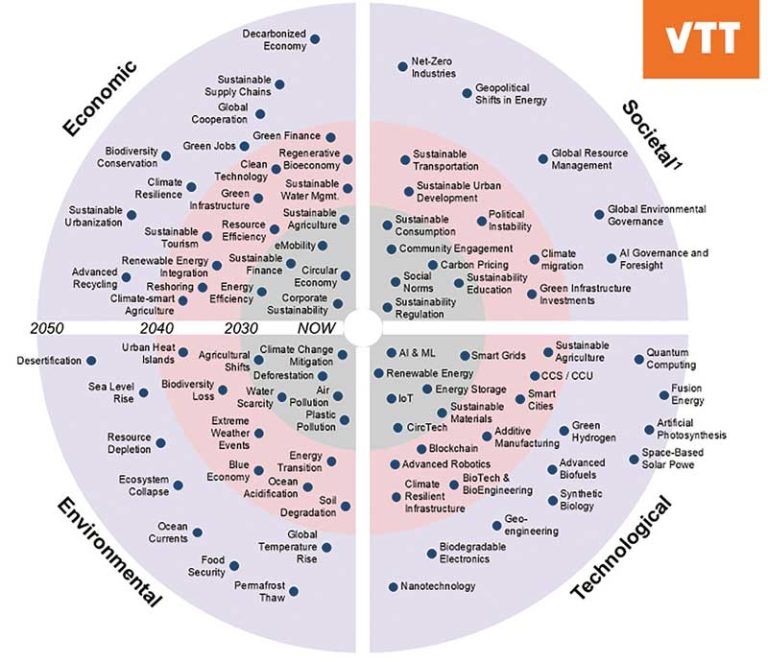
By Michael Hanf, sustainable business strategist and lead author of the Future of Sustainability 2025 study, published by VTT Technical Research Centre of Finland.
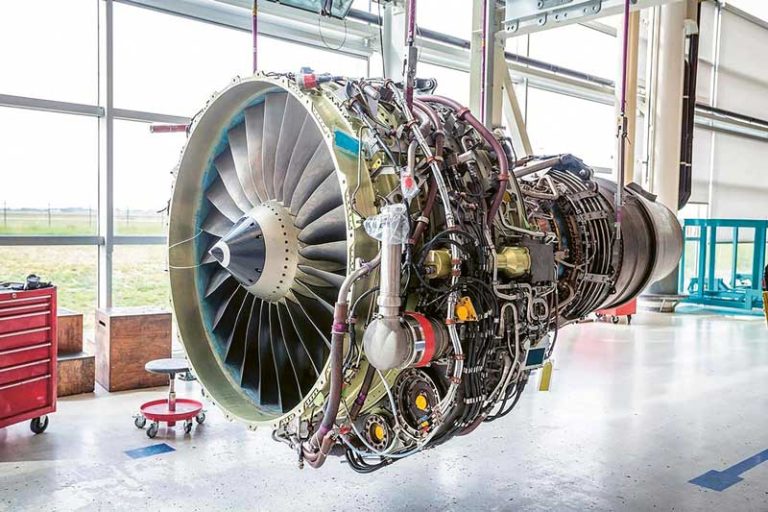
How a Finnish surface treatment specialist transformed crisis into opportunity by pivoting from traditional surface treatment to aviation and defense industry.

As sea levels rise and land grows scarce, the ocean is no longer just a frontier—it’s a foundation. At WCFS2025 in Finland, Dr. Teemu Manderbacka unveiled bold visions for floating megastructures that may reshape how and where we live, work, and build. What´s the beef for maintenance in his vision?

As a maintenance and asset manager, you can sometimes feel like you’ve ended up in a “perfect storm”.
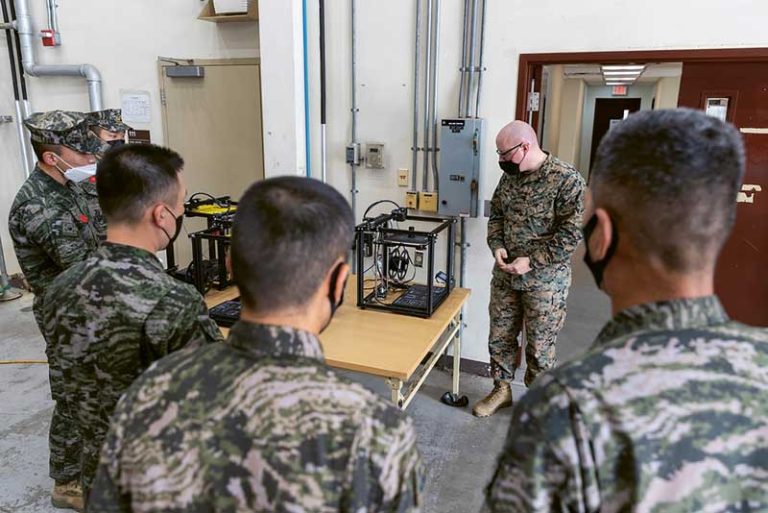
The defence and military sector has always been a pioneer in technology adoption. From the jet engine to satellite communications, innovations often take shape in the armed forces before finding their way into civilian industries. Maintenance is no exception. The battlefield of the 21st century is no longer defined only by firepower and strategy, but also by the capacity to keep complex, mission-critical assets in constant readiness.